
Bush & Hedge Trimming Mistakes That Can Damage Your Shrubs
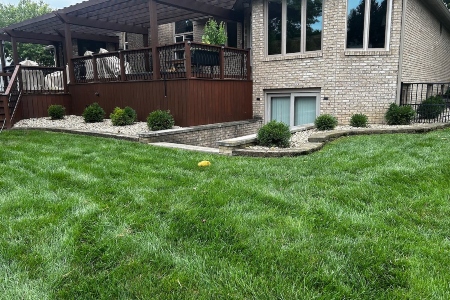
Clean, well-shaped shrubs boost curb appeal on every street in Greenwood. Yet common bush and hedge trimming mistakes can set plants back for seasons. If you want shrubs that look sharp and stay healthy, it helps to know the red flags and when to bring in pros for bush and hedge trimming. This guide explains what harms shrubs in our climate and how to avoid long-term stress.
Why Timing Matters In Greenwood
Central Indiana swings from late cold snaps to hot, humid summers. Trimming at the wrong time stacks stress on shrubs that are already working hard to survive our weather. Late-season heavy cuts can push new growth that freezes. Early spring shearing can strip off flower buds set the year before.
Neighborhoods like Valle Vista, Homecoming at University Park, and the Center Grove area all see similar patterns. After a warm spell, plants break dormancy, then a chilly night rolls in. Cutting hard right before or during those swings can lead to brown tips, slow recovery, and fewer blooms.
- Late summer and early fall heavy shearing often triggers tender growth that winter burn can hit hard.
- Aggressive early spring cuts on shrubs that bloom on old wood reduce flowering and sap stored energy.
- Multiple touch-up trims close together leave plants little time to heal between wounds.
Local insight: Greenwood often sees surprise cold snaps after warm March days. Fresh, soft growth is vulnerable. A few ill-timed cuts can lead to tip dieback that lingers into summer.
When in doubt, protect plant energy and let a trained crew evaluate bud set and recent weather patterns before any shaping.
The Hidden Damage From Cutting Too Deep
Not all cuts are equal. A deep, misplaced cut can open bark, strip protective tissue, and create a slow path for decay. Topping hedges, or taking off the top flat across, invites weak shoots and a boxy look that is hard to fix. It also exposes inner wood to direct sun and wind.
Flush cuts that bite into the trunk collar are a silent shrub killer. They remove the tissue a plant uses to seal wounds. Over time, this can lead to rot, cankers, and random limb failure. On formal hedges in sunny spots along County Line Road, deep cuts can also cause sunscald on shaded interior wood that suddenly faces full light.
If your landscape beds need broader shaping along with shrub care, it may help to review your overall plan and plant spacing. Pairing trimming with selective bed maintenance through landscaping services can reduce repeated heavy cuts that shock shrubs year after year.
Blunt Tools And Dirty Blades Spread Problems
Ragged cuts from dull blades tear tissue. Torn tissue loses more moisture, heals slower, and can attract pests. Dirty blades are worse. Contaminated tools can move disease from one plant to another in a single visit. Boxwoods, yews, and arborvitae common around Greenwood entries can all suffer from this problem.
Shrubs near sidewalks and driveways also collect road grit and salt. When that grit is ground into fresh wounds by a rough cut, it stresses plants further. This is one reason homeowners see browning on the side of hedges that face the street even when rainfall has been normal.
One-Size-Fits-All Shapes Hurt Plant Health
Every species has a natural shape. Forcing all shrubs into the same tight ball or square invites trouble. Shearing broadleaf evergreens too tight can shade out interior leaves. Next season you get a thin green shell with bare sticks inside.
In HOA neighborhoods around Greenwood, tight geometry might look crisp for a few weeks but can collapse mid-summer as heat sets in. Over-shearing starves a plant of the leaf area it needs to make food. The result is slow decline, pale color, and frequent replacement costs.
Some shrubs want a tapered hedge that is slightly wider at the bottom so light reaches lower leaves. Others do best with selective thinning. If the method does not match the plant, expect sparse growth and uneven lines that are tough to correct.
Crowding, Mulch, And Sunlight Issues After Trimming
Trimming changes how light and air move through a bed. Open the canopy too much and inner wood can burn. Thin only on top and lower branches may weaken from shade. Both lead to lopsided plants that lean toward the sun.
Mulch can also complicate recovery. Piling mulch against stems creates constant moisture on bark. That moisture meets fresh cuts near the base and invites decay. Over time, root flare disappears under a mulch cone, and oxygen flow to roots drops.
Along fences and corners in neighborhoods like Brentwood, shrubs often compete for space. When they are crowded, fresh cuts rub against neighboring branches and never quite seal. This is a common path to cankers and dieback in tight side yards.
Weather Whiplash And Water Stress
Greenwood summers can shift from heavy rain to dry spells quickly. Freshly cut shrubs lose water faster, especially after a warm south wind. Pair that with a blacktop driveway that radiates heat, and you have a recipe for scorch.
Heavy shearing right before a heat wave is a high-risk move. The plant must heal, replace leaf area, and keep up with moisture loss all at once. Many homeowners notice brown edges a week or two after a trim and assume disease, when the real issue is stress from timing and exposure.
How To Spot Stress Before It’s Too Late
Plants talk through signs. Learning to read them lets you stop decline early. If you notice these patterns after a recent trim, it is time to bring in help:
- Leaf edges turning bronze or tan on the sunniest side of the shrub
- New shoots that are much thinner or shorter than last season
- Random yellowing deep inside the plant while the tips stay green
- Cracking bark or dark, wet-looking patches near older cuts
- Branches that snap easily rather than bend during light touch
Curious how professionals think through plant stress and planning across seasons in Johnson County and the south side of Indy? Explore ideas on our lawn service blog to see how bed design, plant choice, and maintenance timing work together.
Why Homeowners in Greenwood Trust CGS Lawns
CGS Lawns is a local lawn care service that understands our climate, soils, and streetscapes. Our trained crews shape for long-term health, not just a quick photo. We assess species, age, exposure, and recent weather before recommending a plan.
We also consider sight lines, walkways, and driveways. That way, your shrubs look tidy from the curb and stay strong through summer heat and winter winds. When needed, we coordinate care with broader bed updates so one fix does not create a new problem.
If you are comparing options and want a simple place to start, review bush and hedge trimming in Greenwood to see how regular, right-timed care protects curb appeal and helps shrubs thrive year after year.
Real-World Examples From Greenwood Yards
Along Smith Valley Road and near Valle Vista golf course, we often see hedges that were topped in past seasons. The plants push out a surge of thin, upright shoots that look full for a month, then flop. Without a plan that respects natural growth, those hedges never build the sturdy frame needed for a clean line.
In shadier lots under mature maples, broadleaf evergreens can look sparse inside. Over-shearing blocks what little light exists. Opening the canopy in the right places and at the right time helps, but only when cuts are placed to support new interior leaves instead of stripping energy.
Corner lots that face strong west sun often show scorch after a hard summer trim. A small windbreak from nearby plantings or a lighter shaping schedule reduces that risk. The key is to match care to each setting rather than forcing the same shape and timing on every shrub.
What You Gain With A Thoughtful Trimming Plan
Shrubs are long-term investments. A plan that respects species and site turns yearly trimming from a chore into protection for your landscape. Benefits add up fast:
- Cleaner lines that last longer between visits because structure is reinforced, not cut away
- Stronger, greener growth with fewer brown patches during summer heat
- More consistent flowering on shrubs that set buds the season before
- Less risk of pests and disease moving through old, unsealed wounds
Pairing careful shaping with simple bed updates creates a landscape that holds its look through Greenwood’s weather swings. When broader updates make sense, our team can coordinate with your existing plan through landscaping services so shrubs, beds, and edges all support each other.
When To Bring In The Pros
If you have inherited overgrown shrubs with woody centers, or if topping has been used in past seasons, it is time to reset with professional care. Large, old cuts or repeated scorch on one side are also signs that a tailored approach is needed. In tight spaces near sidewalks or driveways, precise shaping keeps plants healthy without blocking views or walkways.
Our crews work across Greenwood and nearby neighborhoods, from duplexes off Main Street to larger lots near the Center Grove area. We show up with clean, well-maintained equipment and shape for health first. That approach saves homeowners frustration and helps avoid premature plant replacement.
If you want shrubs that stand up to heat, storms, and winter salt, a steady plan is your best tool. The first step is a quick walk-through and a simple schedule built around your yard’s microclimate.
Ready For Safer, Healthier Shrubs?
Protect your landscape with care that puts plant health first. Schedule expert professional bush and hedge trimming with CGS Lawns and keep your property looking its best in every season. Call us at 317-910-1455 to plan service that fits your yard’s needs and timing.
If you would like to see how trimming fits with your broader beds and borders, explore our full range of landscaping services. We will align shrub care with bed design so plants, mulch, and edges work together for a clean, lasting look.
